

Do i need a license for a surron
Do I Need a License for a Surron? Your Complete Guide to Riding Legally
If you’re eyeing a Surron electric bike for thrilling off-road adventures or even daily commutes, one burning question often arises: do I need a license for a Surron? With the rise in popularity of these powerful electric dirt bikes, understanding the legal landscape is crucial to avoid fines, seizures, or worse. In this comprehensive guide, we’ll dive deep into the licensing requirements, classifications, and steps to make your Surron street-legal. Whether you’re a beginner rider or an experienced enthusiast, we’ll cover everything you need to know to ride responsibly and legally.
What Exactly Is a Surron?
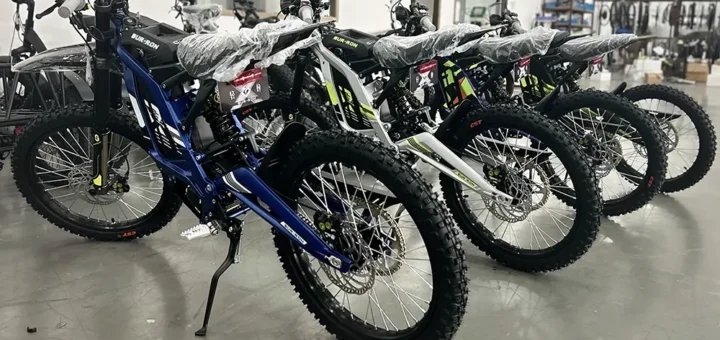
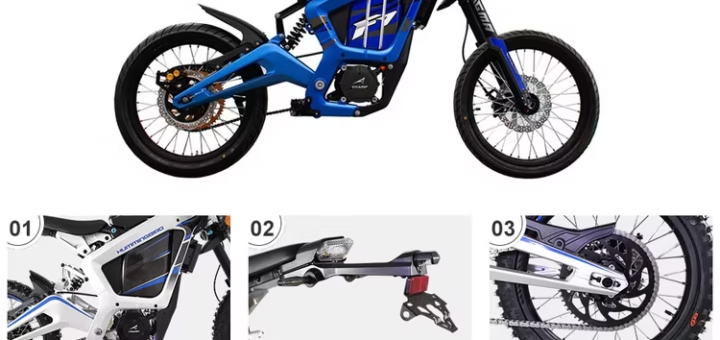
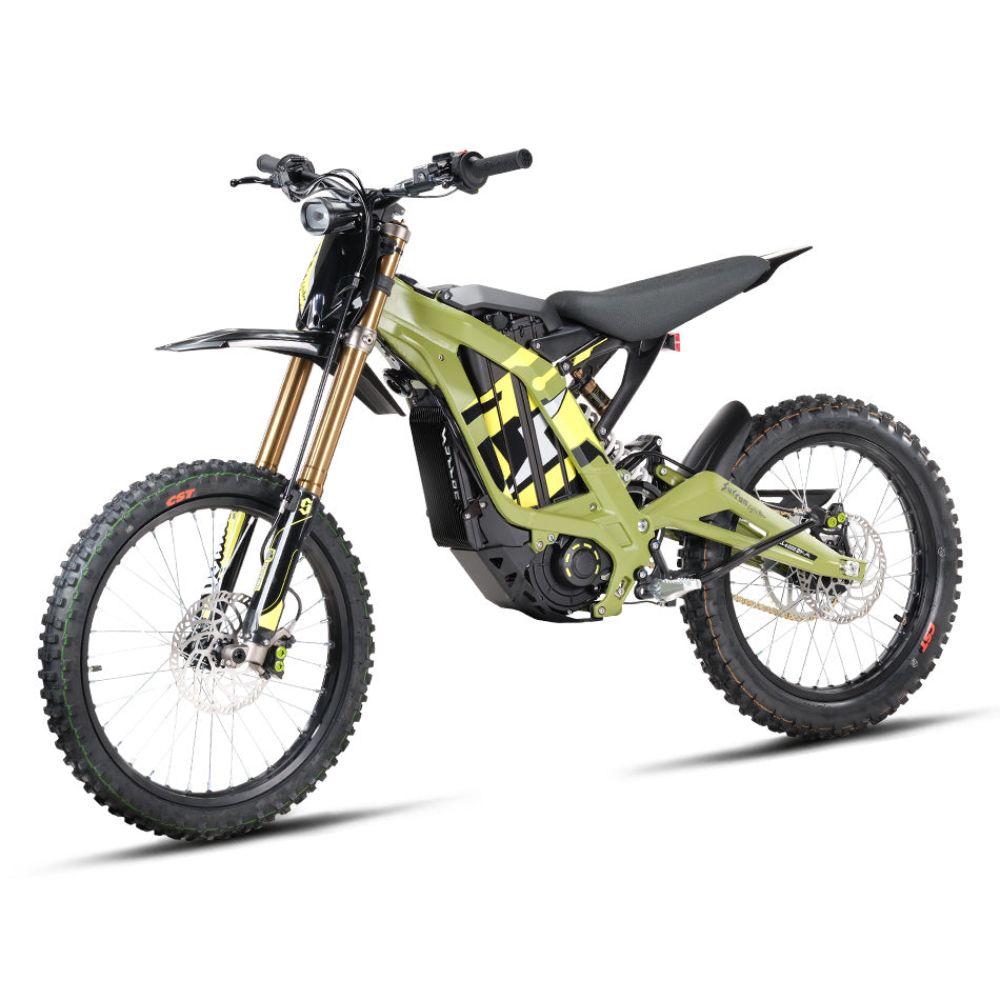
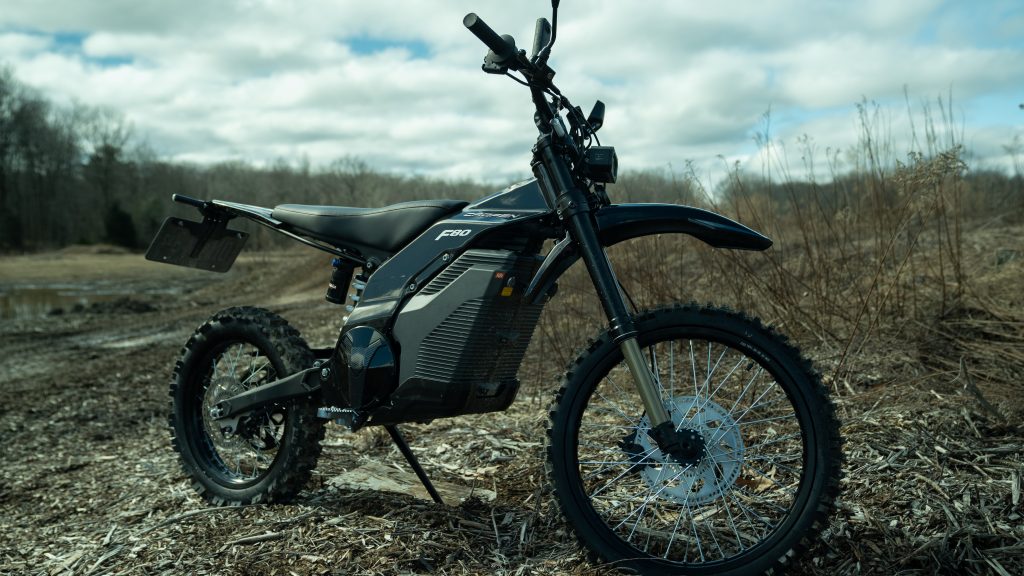
Before we tackle the question of whether you need a license for a Surron, let’s start with the basics. Surron is a brand of electric motorcycles, often referred to as electric dirt bikes or e-motos. Manufactured by the Chinese company Zhejiang Sur-Ron Technology Co., Ltd., these bikes blend the agility of a mountain bike with the power of a motocross machine. Popular models include the Surron Light Bee X, Ultra Bee, and Storm Bee, each designed primarily for off-road use but increasingly modified for street riding.
The Light Bee X, for instance, features a 60V battery, a mid-drive motor delivering up to 6kW of power, and speeds topping 45 mph in sport mode. It’s lightweight (around 110 lbs without the battery) and offers impressive torque for jumping trails or navigating urban obstacles. Unlike traditional e-bikes, Surrons lack functional pedals, which is a key factor in their legal classification. They’re not your average pedal-assist bicycle; they’re more akin to electric motorcycles, which brings us to the licensing debate.
If you’re wondering, “Do I need a license for a Surron?” the answer hinges on how and where you plan to ride it. Off-road on private property or designated trails? Probably not. But hitting public roads changes everything.
Understanding Surron Bike Classifications
Surrons don’t fit neatly into standard vehicle categories, which complicates licensing. In many jurisdictions, they’re classified as “off-road vehicles” or “electric motorcycles” rather than e-bikes. Why? Federal U.S. e-bike laws define Class 1, 2, and 3 e-bikes as having operable pedals and motors limited to 750W (about 1 horsepower) with speed caps at 20-28 mph. Surrons exceed these limits—no pedals, higher wattage (up to 10kW in some models), and faster speeds—pushing them into motorcycle territory.
In the U.S., the Department of Transportation (DOT) and state DMVs often treat them as mopeds or motorcycles if used on roads. For example, if your Surron can go over 30 mph, it might require a motorcycle endorsement. Internationally, classifications vary: in the UK, they’re seen as “mechanically propelled vehicles,” while in Canada, they’re dubbed “e-dirt bikes.”
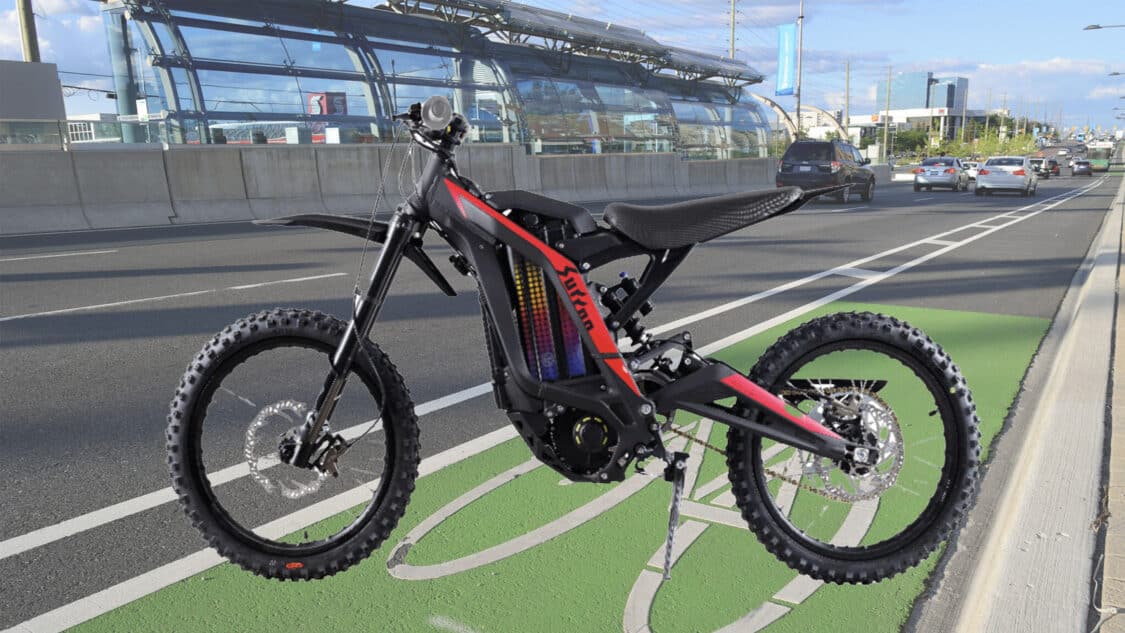
This gray area means that without modifications, most Surrons are not street-legal out of the box. They lack essentials like turn signals, mirrors, brake lights, and license plates. So, if you’re asking, “Do I need a license for a Surron on public streets?” the short answer is often yes, but let’s break it down further.
Do I Need a License for a Surron? A General Overview
The need for a license depends on three main factors: your location, the bike’s specifications, and intended use. For off-road riding on trails or private land, no license is typically required—just permission from the landowner. However, for street use, regulations kick in to ensure safety and compliance.
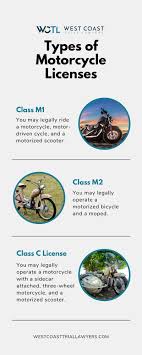
In most places, riding a Surron on public roads without a license can lead to tickets, impoundment, or even bike confiscation. Police are increasingly cracking down on unregistered e-bikes and e-motos, especially in urban areas. If your Surron is modified to meet moped standards (e.g., under 28 mph with certain features), you might only need a standard driver’s license. But for full motorcycle classification, an M1 or M2 endorsement is often mandatory.
Age plays a role too. In many U.S. states, riders must be at least 16 years old for street-legal operation, and younger riders (like 15-year-olds) may face restrictions even for ownership. Always check local laws, as they evolve with the growing popularity of electric vehicles.
Licensing Requirements in the United States
The U.S. doesn’t have a uniform federal law for Surron licensing—it’s state-by-state. Here’s a detailed look at some key states to help answer, “Do I need a license for a Surron in my area?”
California
California classifies high-powered e-bikes like Surrons as motorcycles if they exceed Class 3 limits. For street use, you’ll need:
- An M1 motorcycle license (requires a written test, skills test, and vision exam).
- Vehicle registration with the DMV.
- Proof of insurance.
- Safety equipment: Helmet, lights, mirrors, and turn signals.
Without these, your Surron is off-road only. Registration involves a VIN inspection and fees around $100-200.
Florida
In Florida, Surrons fall under “motorized bicycles” if under 50cc equivalent (but electric power complicates this). For speeds over 20 mph, a motorcycle endorsement is required. Registration is mandatory for road use, and riders need at least a Class E driver’s license.
New York
New York is strict: Surrons are often treated as unregistered motorcycles. You’ll need a Class M license, registration, and inspection. Off-road use is fine without, but streets demand full compliance.
Texas
Texas allows Surrons as “neighborhood electric vehicles” if modified, but typically requires a motorcycle license for higher speeds. Registration involves a title application and safety check.
For other states, use resources like your local DMV website or tools like Dirt Legal for registration assistance. In Utah, for example, proof of ownership (like a manufacturer’s certificate) is key for registration.
Table: Surron Licensing by Select U.S. States
| State | License Type Required | Registration Needed? | Min. Age | Key Notes |
|---|---|---|---|---|
| California | M1 Motorcycle | Yes | 16 | Annual inspections for high-speed models. |
| Florida | Motorcycle Endorsement | Yes | 16 | Speed limits affect classification. |
| New York | Class M | Yes | 16 | Strict enforcement in cities. |
| Texas | Motorcycle License | Yes | 15 (with permit) | Easier for off-road. |
| Utah | M Endorsement | Yes | 16 | No initial safety inspection for new bikes. |
If your state isn’t listed, search your DMV for “electric motorcycle registration” to confirm.
How to Make Your Surron Street-Legal
Wondering how to legally ride your Surron on roads? It starts with modifications. Stock Surrons are off-road only, but adding DOT-approved parts can change that. Essential upgrades include:
- Lights and Signals: Headlight, taillight, brake light, turn signals.
- Mirrors: At least one rearview mirror.
- Horn: Audible from 200 feet.
- License Plate Mount: For displaying plates.
- Speed Limiter: Some states require capping at 28 mph for moped status.
Once modified, head to the DMV with:
- Manufacturer’s Certificate of Origin (MCO).
- Bill of sale.
- Proof of modifications and safety inspection.
- Fees for title, registration, and plates.
Services like Street Legal Hookup can handle paperwork nationwide, often for $200-500. After registration, get insurance—many providers cover e-motos under motorcycle policies.
International Licensing for Surrons
Outside the U.S., rules vary widely. In the UK, Surrons need road registration, an MOT test, and a full motorcycle license (Category A). In Sweden, no license for bike lanes if classified as an e-bike, but Surrons often require registration. In Australia, state-specific rules apply, with Queensland allowing off-road use without a license but mandating one for roads.
Always consult local transport authorities. For example, in the UAE, licensing depends on specs and location.
Pros and Cons of Getting a License for Your Surron
Pros:
- Legal road access for commuting.
- Insurance protection against theft or accidents.
- Peace of mind avoiding fines (which can exceed $500).
Cons:
- Added costs for modifications and fees.
- Potential performance limits (e.g., speed caps).
- Time-consuming process.
If off-road is your jam, skip it—but for versatility, licensing is worth it.
Safety and Best Practices
Regardless of licensing, safety first. Wear a DOT-approved helmet, gloves, and protective gear. Surrons’ power can surprise new riders, so take a motorcycle safety course. Maintain your bike: Check batteries, brakes, and tires regularly.
Also, consider insurance even for off-road use—many policies cover liability.
Conclusion: Do I Need a License for a Surron?
In summary, do I need a license for a Surron? It depends—if you’re sticking to off-road trails, probably not. But for public roads, yes, along with registration and modifications in most places. Always verify with your local DMV or equivalent to stay compliant. Riding a Surron is an exhilarating experience, but doing it legally ensures you can enjoy it without interruptions.
If you have more questions about Surron models, mods, or laws, drop a comment below. Safe riding!