
Surron Controller
The Ultimate Guide to the Surron Controller: Specs, Upgrades, Maintenance, and More in 2025
Dive deep into the Surron controller – from stock features and aftermarket upgrades to maintenance tips, advantages, and FAQs. Optimize your electric dirt bike’s performance with expert insights on Surron controller tech for trails and tracks.
1. Introduction: Why the Surron Controller is the Heart of Your Electric Dirt Bike
When it comes to powering up your Surron electric dirt bike, nothing beats the precision and punch of a well-tuned Surron controller. As the brain behind the brawn, the Surron controller manages everything from throttle response to regenerative braking, turning raw battery energy into thrilling, controlled acceleration. Whether you’re ripping through muddy trails on a Light Bee X or tackling technical enduro on an Ultra Bee, the Surron controller ensures seamless cycling performance without the roar of a gas engine. In this comprehensive 2025 guide, we’ll break down Surron controller specs, explore upgrade options, highlight key Surron controller advantages, share maintenance secrets, and tackle common troubleshooting woes. If you’re a weekend warrior or a modding enthusiast, understanding your Surron controller is key to unlocking next-level rides. Let’s dive in and electrify your knowledge!

2. The Evolution of the Surron Controller: From Stock Basics to 2025 Innovations
Surron’s journey in controller tech started back in 2018 with the original Light Bee, where the stock Surron controller focused on reliability and simplicity for off-road fun. Fast-forward to 2025, and the Surron controller has evolved into a sophisticated powerhouse, incorporating Field-Oriented Control (FOC) algorithms for smoother torque delivery and better efficiency. Models like the 2025 Ultra Bee now feature an advanced Surron controller with CAN bus communication, supporting features like traction control and app-based diagnostics. This progression reflects Surron’s commitment to bike technology, blending lightweight design with high-voltage handling (up to 104V in the Storm Bee). Whether stock or upgraded, the Surron controller has grown from a basic power regulator to a tunable beast, making it easier for riders to customize their electric dirt bike experience. As demand for mods rises, aftermarket Surron controller options have exploded, offering pros like Bluetooth tuning and over 99% efficiency.
3. Understanding Surron Controller Specs: What Powers Your Ride
At its core, the Surron controller is a sine-wave marvel that converts DC battery power to AC for the motor, ensuring efficient, quiet operation. Let’s geek out on the Surron controller specs for popular models. The stock Light Bee X Surron controller handles 6-8kW peak power on a 60V system, with phase currents up to 300A and battery draw around 200A—plenty for 0-31 mph in 2.7 seconds. It supports sensored and sensorless modes via Hall encoders, plus basic regen braking to recapture energy on descents.
For the 2025 Ultra Bee, the upgraded Surron controller pushes 21kW peaks with 511Nm torque, a 74V/60Ah battery interface, and FOC tech for precise throttle mapping. Key specs include:
- Efficiency: Up to 99% to minimize heat buildup.
- Operating Temp: -15°C to 75°C for all-weather reliability.
- Protections: Overcurrent, overvoltage, undervoltage, and overtemperature safeguards.
- Weight: Around 1-1.3kg, keeping your bike agile.
- Connectivity: Bluetooth for app integration (iOS/Android) and stock display compatibility.
These Surron controller specs make it a leader in electric dirt bike tech, but for riders craving more, upgrades unlock even wilder potential. Compare this to older models, and you’ll see why 2025’s versions excel in cycling performance with smoother power curves and extended range support.
4. Types of Surron Controllers: Stock vs. Aftermarket Showdown
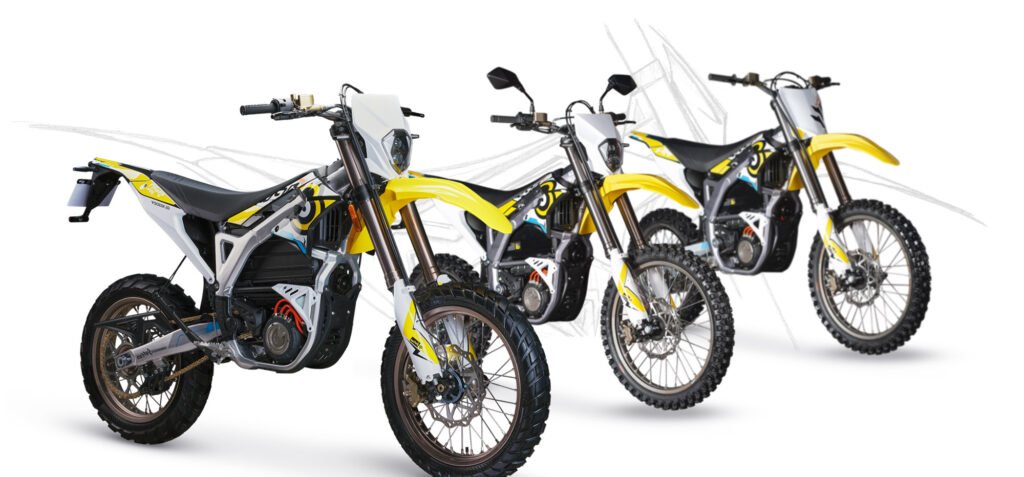
Not all Surron controllers are created equal—choosing the right type depends on your riding style and mod goals. Start with the stock Surron controller, a plug-and-play unit optimized for factory setups. On the Light Bee X, it’s compact, IP67-rated for water resistance, and handles basic modes like Eco and Sport without fuss. Great for beginners, but it caps at 8kW peaks, limiting top speeds to ~49 mph.
Enter aftermarket Surron controller options for the mod crowd:
- Torp TC1000: A beast for Ultra Bee owners, with 1000A phase current, FOC control, and mobile app tuning for regen and throttle curves. Priced around $500-700, it’s plug-and-play for Surron and Talaria bikes.
- EBMX X-9000 V3: Delivers 12kW+ on stock motors, with wheelie assist and customizable power profiles via app. Ideal for Light Bee X, weighing just over 1kg and supporting up to 110V batteries.
- KO Nano/Pro: Budget-friendly (~$300) with 20kW+ output, factory-fit mounting, and no extra wiring hassles. Excels in torque for wheelies and climbs.
- TruMoto Noisy Cricket: Compact (adds only 3.25 lbs), over 20kW power, and intuitive app sliders for fine-tuning—perfect for stealth upgrades.
Each type offers unique Surron controller specs, from Votol EM-150’s reliability to BAC4000’s high-end tuning. Stock is reliable for daily rides; aftermarket shines for personalization.
5. Surron Controller Upgrades: Boosting Power and Performance Step-by-Step
Upgrading your Surron controller can transform a stock Surron from fun to ferocious—here’s how to do it right. First, assess your needs: Want 60+ mph top speeds? Go for the EBMX X-9000 on a Light Bee X for 25kW peaks and improved throttle feel. For Ultra Bee owners, the Torp TC1000 unlocks 110 km/h with stock battery profiles, no frying risks.
Step-by-Step Upgrade Guide:
- Prep: Disconnect the battery, remove the stock unit (usually under the frame—check wiring diagrams). Tools needed: Hex keys, multimeter for continuity checks.
- Install: Mount the new Surron controller (most are plug-and-play with adapters), connect phase wires (thick red/black for motor), battery lugs (torque to spec to avoid melting), and throttle harness. Use dielectric grease on connections for corrosion prevention.
- Tune: Download the app (e.g., TruMoto for Noisy Cricket), calibrate Hall sensors, set regen levels (10-20% recovery), and test modes. Start in Eco to avoid surprises.
- Test Ride: Monitor temps (under 75°C) and error codes via display. Firmware updates ensure compatibility with 2025 BMS.
Common pitfalls? Mismatched voltages—stick to 60-74V for stock batteries. Upgrades like these can add 20-30% more torque, but pair with a battery upgrade for full effect. Riders report wheelie heaven and 15% better range post-Surron controller upgrade.
6. Key Advantages of the Surron Controller: Why It’s a Game-Changer
The Surron controller isn’t just hardware—it’s a performance multiplier. Here are the standout Surron controller advantages:
- Precision Power Delivery: FOC tech provides smooth, linear acceleration, reducing wheel spin on loose terrain and improving control by 25% over basic controllers.
- Efficiency and Range Boost: Up to 99% energy conversion means longer rides—add regen braking for 10-15% battery recovery on downhills.
- Durability in Extremes: IP67 rating shrugs off mud and rain; thermal protections prevent burnout during 21kW sprints.
- Customizability: App-based tuning lets you dial in throttle sensitivity, traction limits, and even crawl modes for technical sections.
- Cost-Effective Mods: Aftermarket Surron controllers like KO Nano extend motor life by distributing heat better, saving $500+ in repairs long-term.
- Silent, Eco-Friendly Operation: No gears or clutches—just instant torque for guilt-free cycling performance.
Compared to gas bikes, a solid Surron controller cuts maintenance by 50% (no oil changes) and emissions to zero, appealing to green riders. For modders, the real win? Seamless integration with upgrades like QS motors, pushing 110 km/h without drama.
7. Surron Controller Maintenance: Keep It Cool and Running Smooth
Proper Surron controller maintenance is straightforward but crucial for longevity—neglect it, and you’ll face shorts or failures. Follow this routine:
- Daily Checks: Inspect wiring for frays or loose lugs (torque to 5-7 Nm); clean dust from heat sinks with compressed air.
- Weekly: Test connections with a multimeter (no continuity to ground on phase wires); lube throttle cable if applicable.
- Monthly: Update firmware via app; monitor temps during rides (aim under 60°C for stock). Use dielectric grease on plugs to fight corrosion.
- Annually: Full teardown—check capacitors for bulging, replace if over 2 years old. For aftermarket like TC1000, leverage 2-year warranties.
Pro Tip: In dusty environments, rinse gently (IP67 helps) and dry fully. This regimen extends life to 5,000+ hours, amplifying Surron controller advantages like reliability.
8. Troubleshooting Common Surron Controller Issues: Fixes for Every Rider
Even the best Surron controller can glitch—here’s your Surron controller troubleshooting toolkit. No Power/No Throttle: Check 5A fuse near battery (swap if blown); verify kickstand/tilt sensors aren’t faulty. Intermittent response? Heat-related—warm with a heater to test; if it revives, upgrade for better cooling.
Overheating/Shutdowns: Clean vents; ensure battery voltage matches (e.g., 60V controller on 72V fries it). Error codes? E.g., E11 (throttle fault)—recalibrate via app. Melted connectors? Tighten lugs with Loctite; dielectric grease prevents recurrence. Motor shorts? Multimeter phase-to-ground (zero ohms = bad motor).
For stubborn issues, consult diagrams or pros—most fixes take under an hour, saving downtime.

9. Integrating the Surron Controller with Other Bike Components
The Surron controller doesn’t operate in isolation—it’s the nexus for battery, motor, and display. Pair it with a 74V/60Ah pack for Ultra Bee synergy, or QS138 motors for 90H high-speed runs. BMS communication ensures safe charging, while DC/DC converters power lights (check 12V output). For 2025 models, CAN bus links enable app analytics, tracking voltage drops in real-time. Mismatches? A 60V Surron controller on 104V risks BMS trips—always match specs. This harmony boosts overall cycling performance, with upgrades like wheelie assist adding flair.
10. Real Rider Stories: How a Surron Controller Upgrade Changed the Game
Don’t take our word—Surron forums buzz with tales. One Light Bee X owner swapped stock for EBMX X-9000: “Wheelies on demand, 65 mph flats—stock felt gutless!” An Ultra Bee rider raved about Torp TC1000: “No more bogging on hills; regen adds 10 miles per charge.” Reddit threads highlight KO Nano’s value: “Budget beast—20kW for $300, no wiring nightmares.” Common thread? Upgrades fix stock limitations, turning average rides into epics.
11. The Future of Surron Controllers: What’s Next in 2026?
Looking ahead, 2026 Surron controllers may integrate AI for predictive traction and solar trickle charging, building on 2025’s FOC gains. Expect deeper app ecosystems for over-the-air tunes and voice commands. As batteries hit 100Ah, controllers will handle 30kW+ safely, pushing electric dirt bikes mainstream.
12. Conclusion: Master Your Surron Controller for Unmatched Electric Adventures
The Surron controller is more than a component—it’s the pulse of your electric dirt bike, dictating speed, smoothness, and safety. From dissecting Surron controller specs to mastering upgrades, maintenance, and troubleshooting, you’re now equipped to elevate your ride. Embrace the Surron controller advantages like efficiency and custom power, and hit the trails with confidence. Whether stock or modded, it’s your ticket to silent, sustainable thrills. Ready to upgrade? Your next adventure awaits—just keep that controller cool and connected!
FAQ: Your Burning Questions on the Surron Controller Answered
Q: What’s the difference between stock and aftermarket Surron controllers? A: Stock Surron controllers prioritize reliability (6-8kW, basic modes); aftermarket like Torp TC1000 add power (20kW+), app tuning, and regen for advanced riders.
Q: How do I know if my Surron controller is failing? A: Signs include intermittent throttle, overheating (over 75°C), or error codes like E11. Test with a multimeter; warm it up—if it revives, it’s heat-sensitive.
Q: Can I upgrade my Surron controller without voiding warranty? A: Stock warranty covers originals; aftermarket voids it, but many (e.g., EBMX) offer 1-2 year coverage. Check with dealers.
Q: How often should I perform Surron controller maintenance? A: Weekly visual checks, monthly firmware updates, annual teardown. Focus on connections to prevent 80% of failures.
Q: What’s the best Surron controller upgrade for beginners? A: KO Nano—affordable ($300), plug-and-play, and boosts to 20kW without complexity.
Q: Does a Surron controller upgrade improve range? A: Yes, via efficient FOC (up to 15% better) and regen—pair with Eco mode for 75+ km on Light Bee X.
Q: Are Surron controllers waterproof? A: IP67-rated for splashes/mud, but seal wiring harnesses—avoid submersion.